Start a Goat Farm the Hard Way
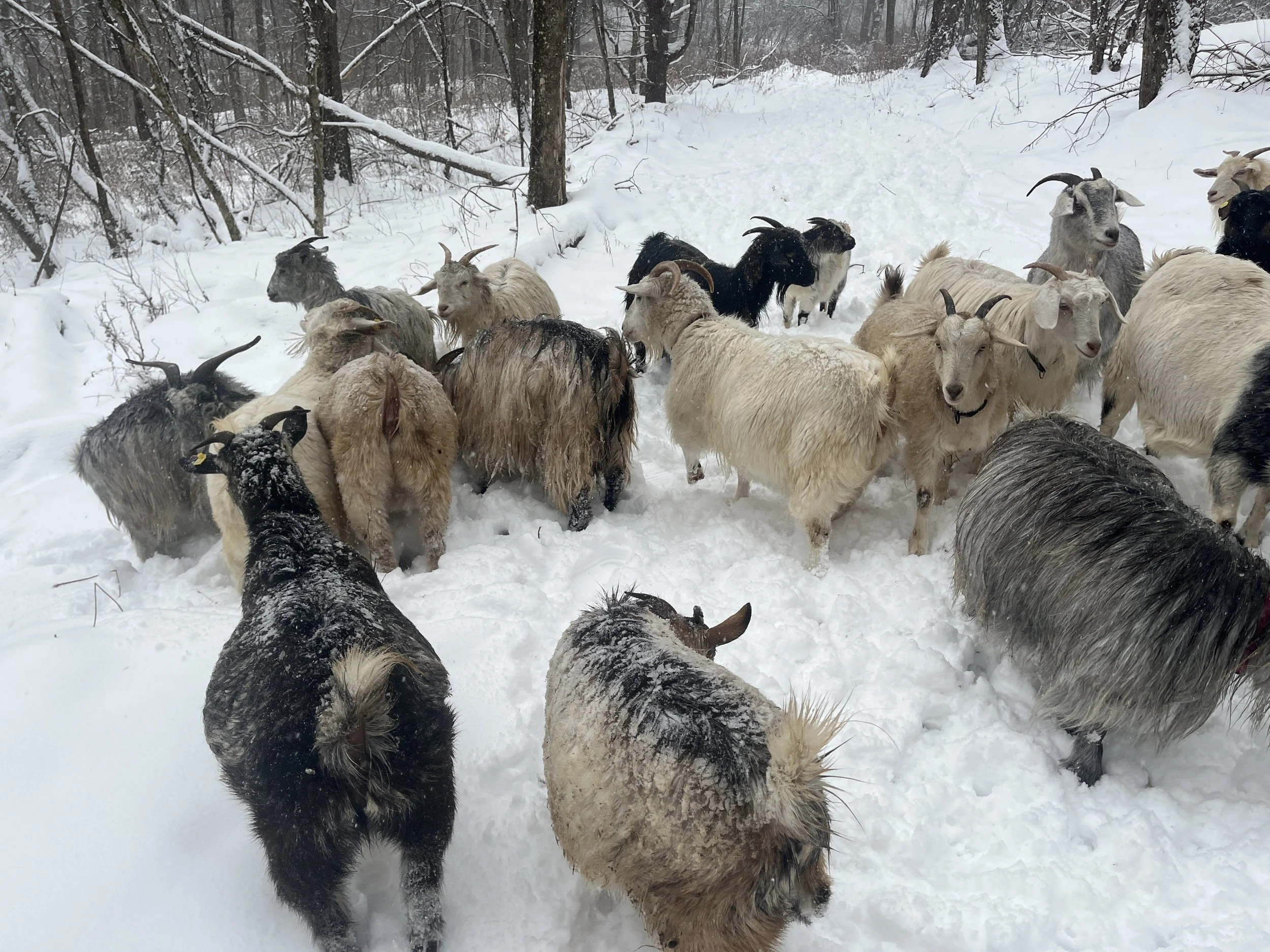
If you can throw comfort and common practice to the wind, you too can start a goat farm the hard way.
Get the Goats first and Build the farm around them later.
When people imagine starting a goat operation, they often start with the infrastructure. They build the barn, fence the property, and buy the equipment. Then they get the goats.
That’s a the sensible approach. We did the opposite.
When we formed Kato En Farm, we prioritized financial returns from the get-go. Even if we weren’t profitable on day 1, we wanted to avoid large debt and generate some income quickly so the goats would “pay for themselves.”
Like many startup farms, we had limited funds and had to choose what to buy and what to leave out. Every dollar spent on infrastructure was a dollar we couldn't spend on the animals—the product! If we wanted to make sales, we had to either buy the amenities or buy the goats. We knew the barn wasn’t going to make us money. The goats would. So we bought the goats!
Actually, we compromised and bought some goats and some used fencing materials as well. =)
Let me tell you, we’ve learned the very hard way how useful equipment and infrastructure can be! But like they say, “You don’t know what you don’t know” and in the beginning, we had no idea what was a must-have vs a nice-to-have. We looked at our property and figured we had enough of the essentials to get started: a stream for water, a couple of sheds, trees for shelter, and acres of brush for forage. For the right goats and a couple of gritty people willing to improvise, this seemed plenty!
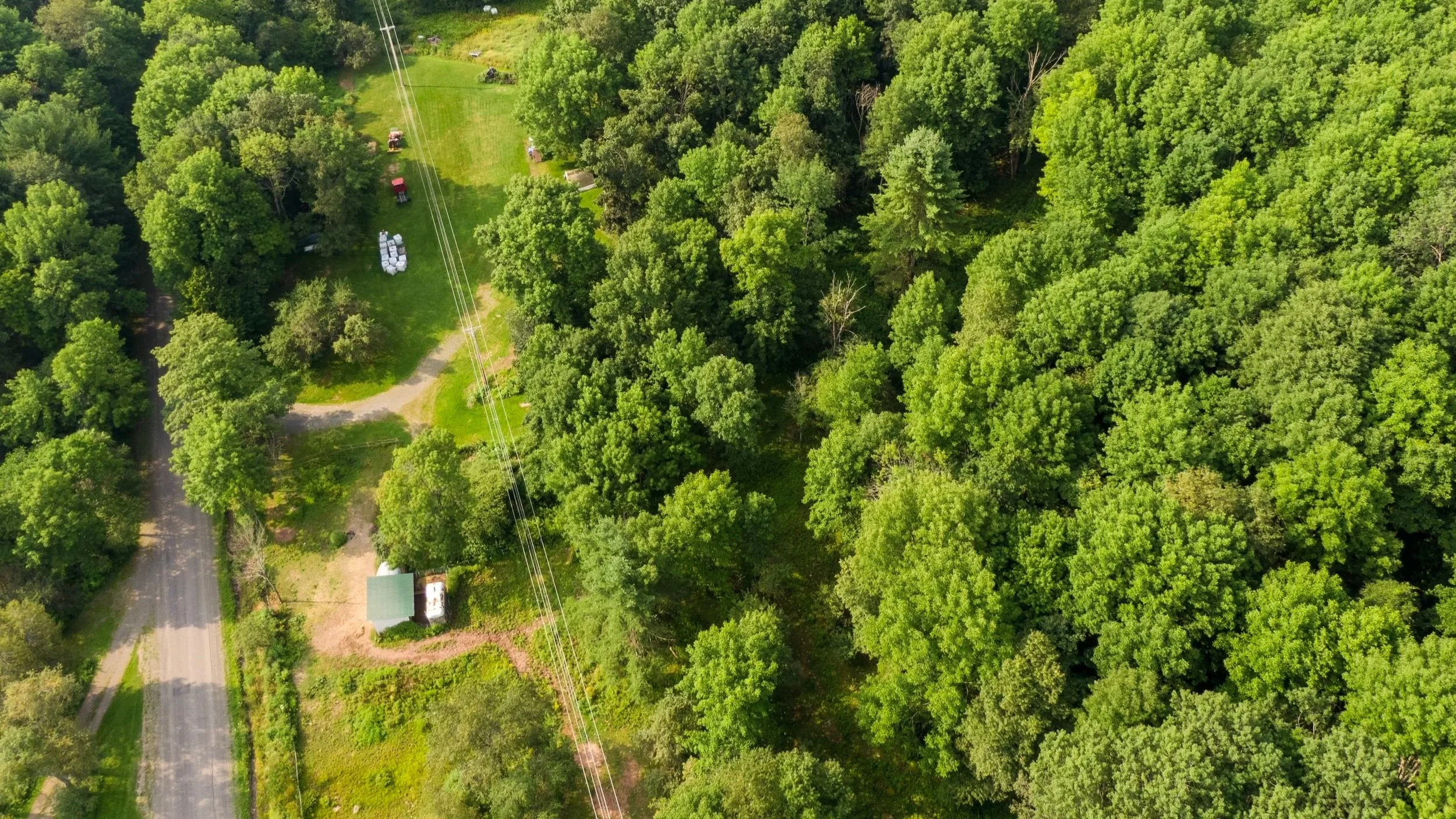
This is an aerial view of our property. There was no barn and no fencing but it had a decent size shed, a stream, and a lot of woods.
Our farm didn’t look like the typical livestock operations you see in magazines. For one, we didn’t have a barn or much fencing. As material prices climbed, we decided to stop relying on retail stores for all farm infrastructure needs.
To move forward, we drew inspiration from nomadic goat herders in remote areas of Middle Eastern Europe. After all, they had been raising giant herds for thousands of years without Home Depot. Much of their infrastructure was rugged, strung together from natural wood, rope, stone, and tarps.
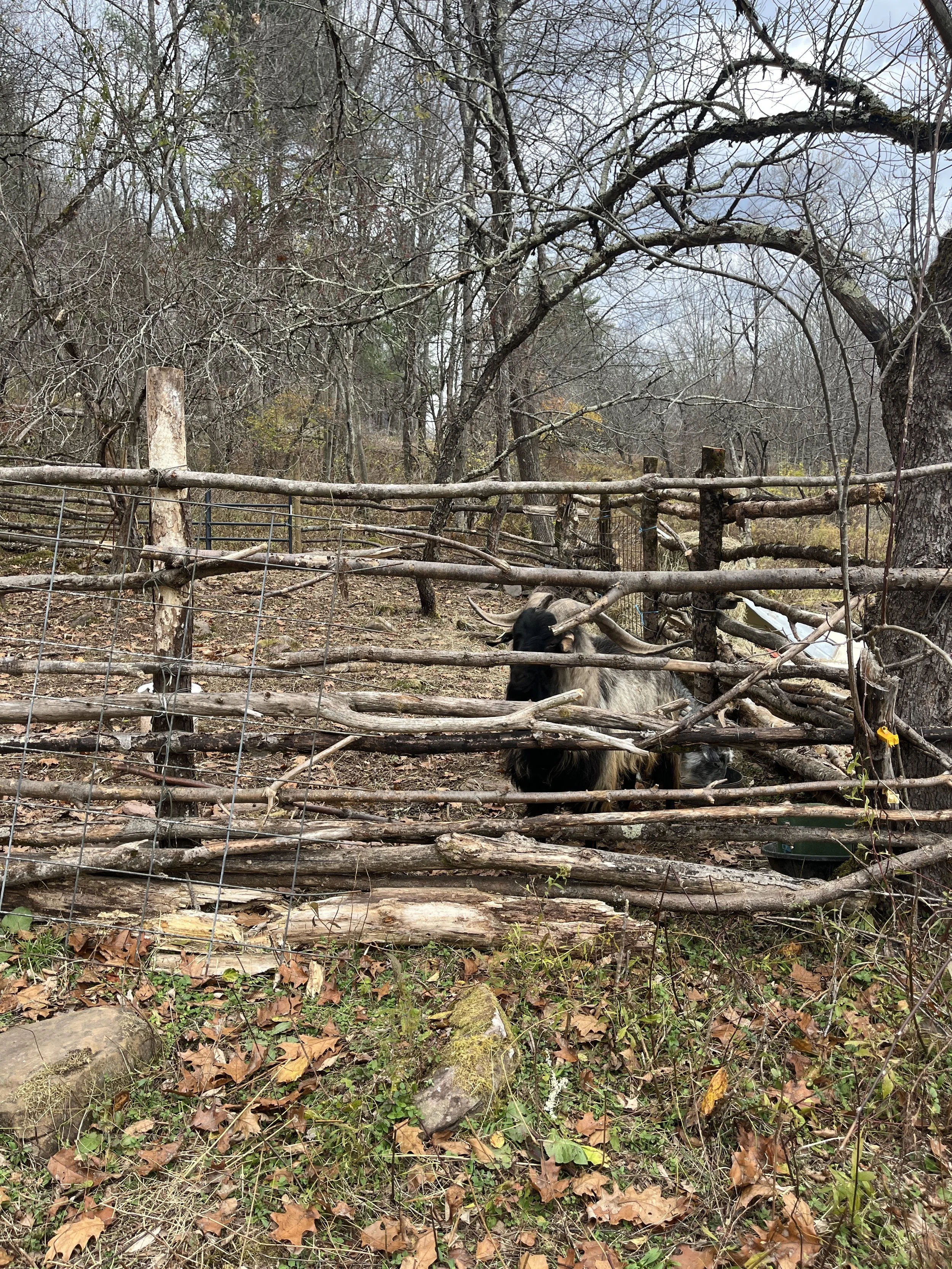
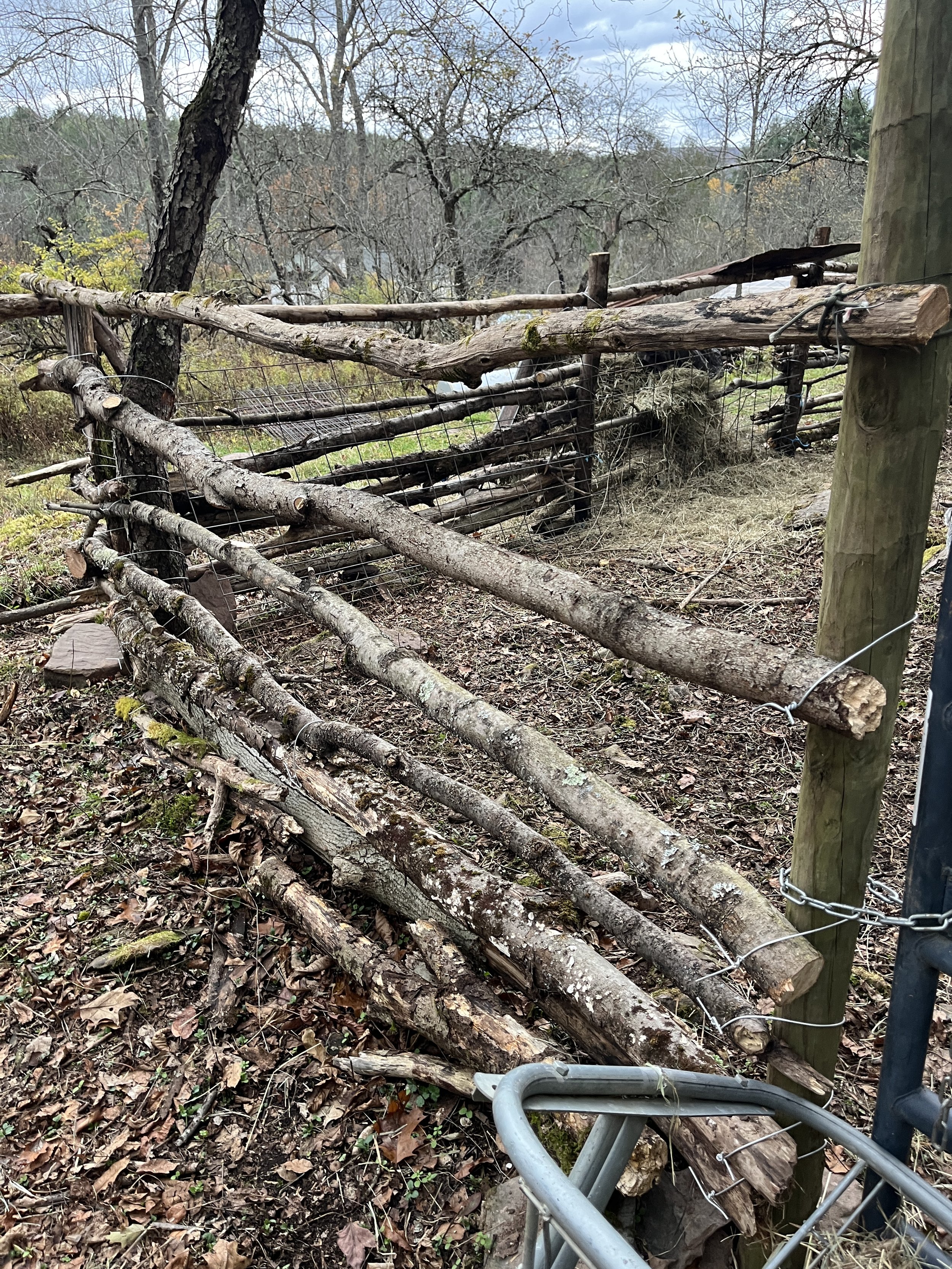
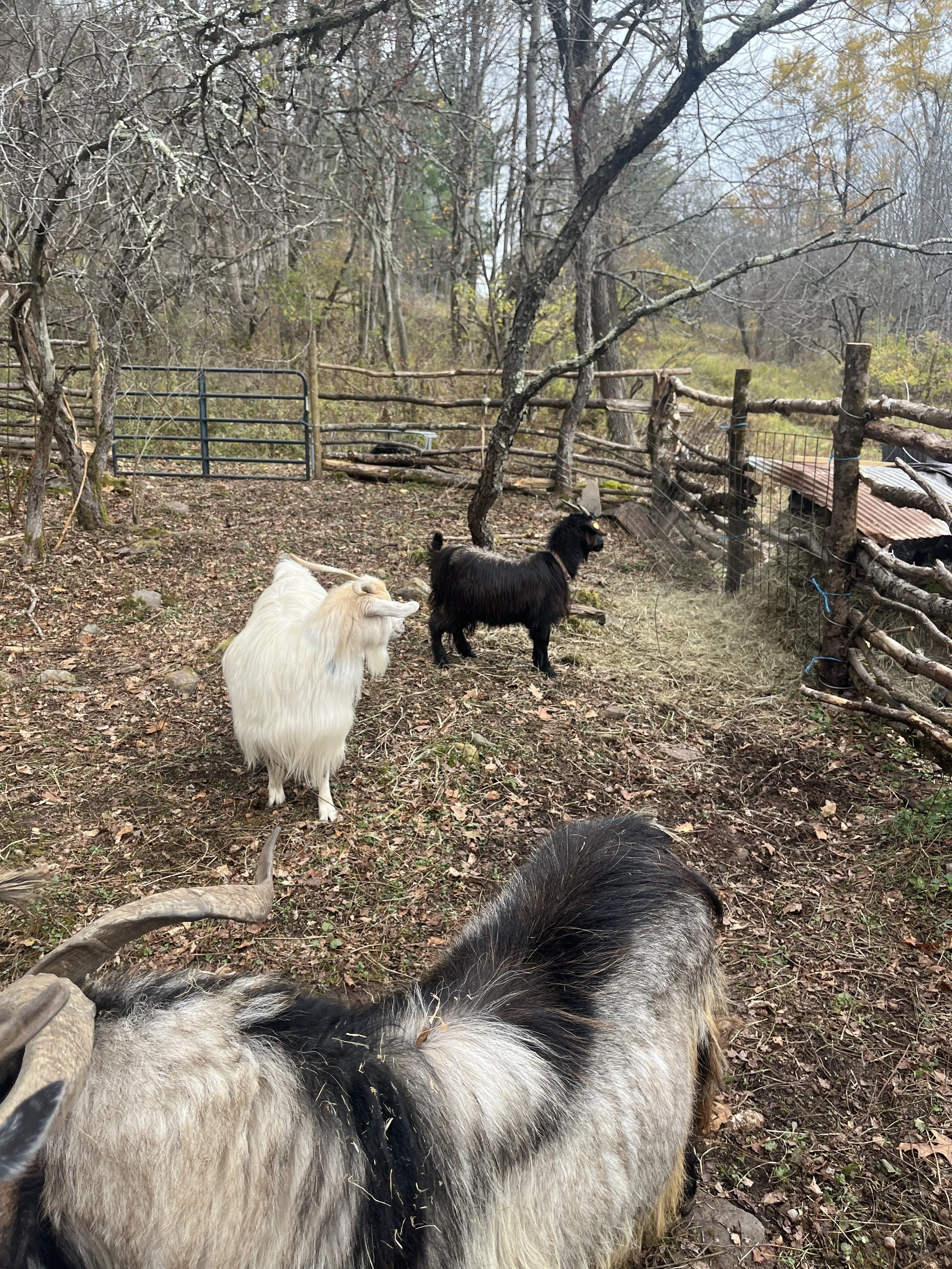
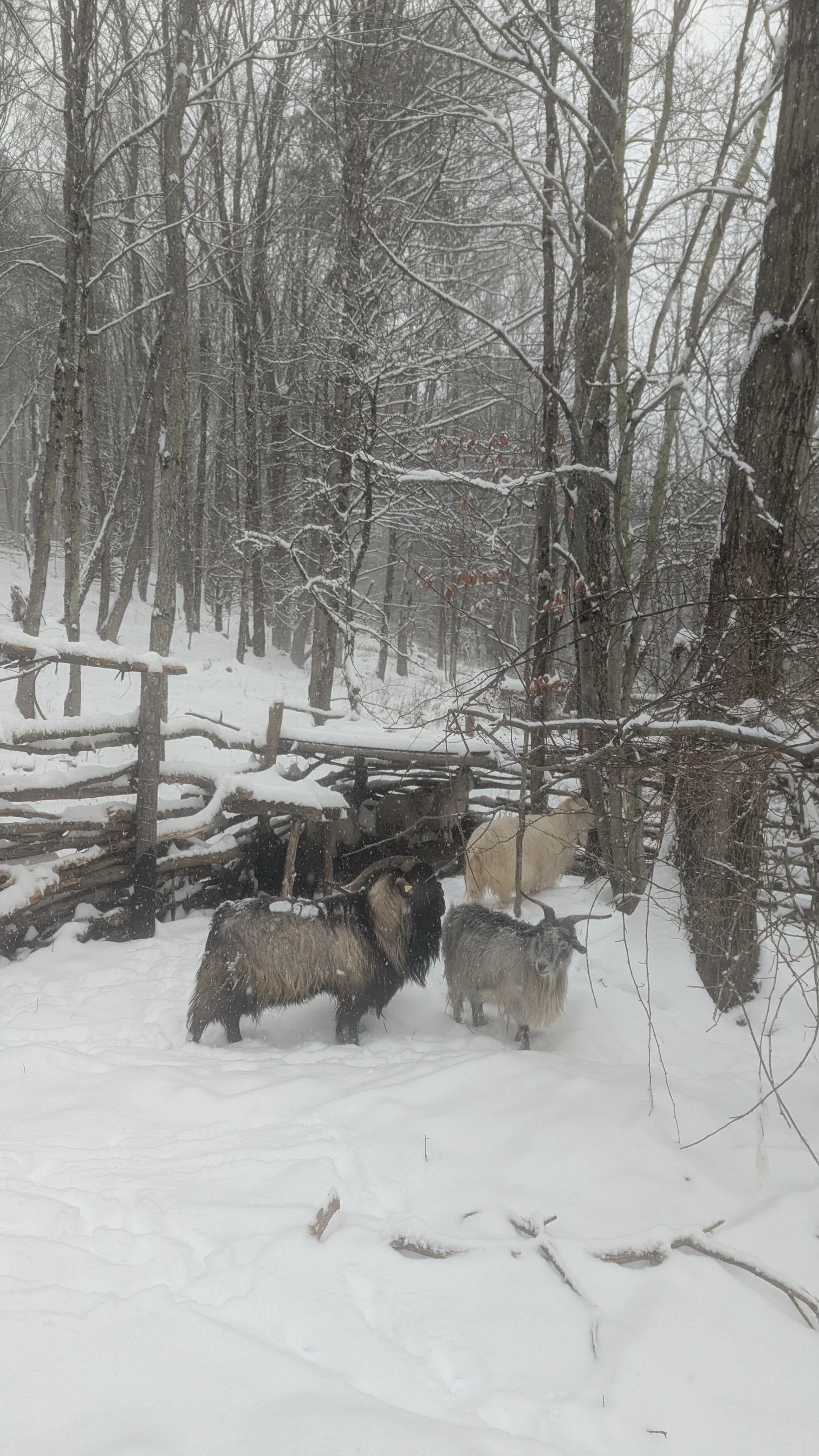
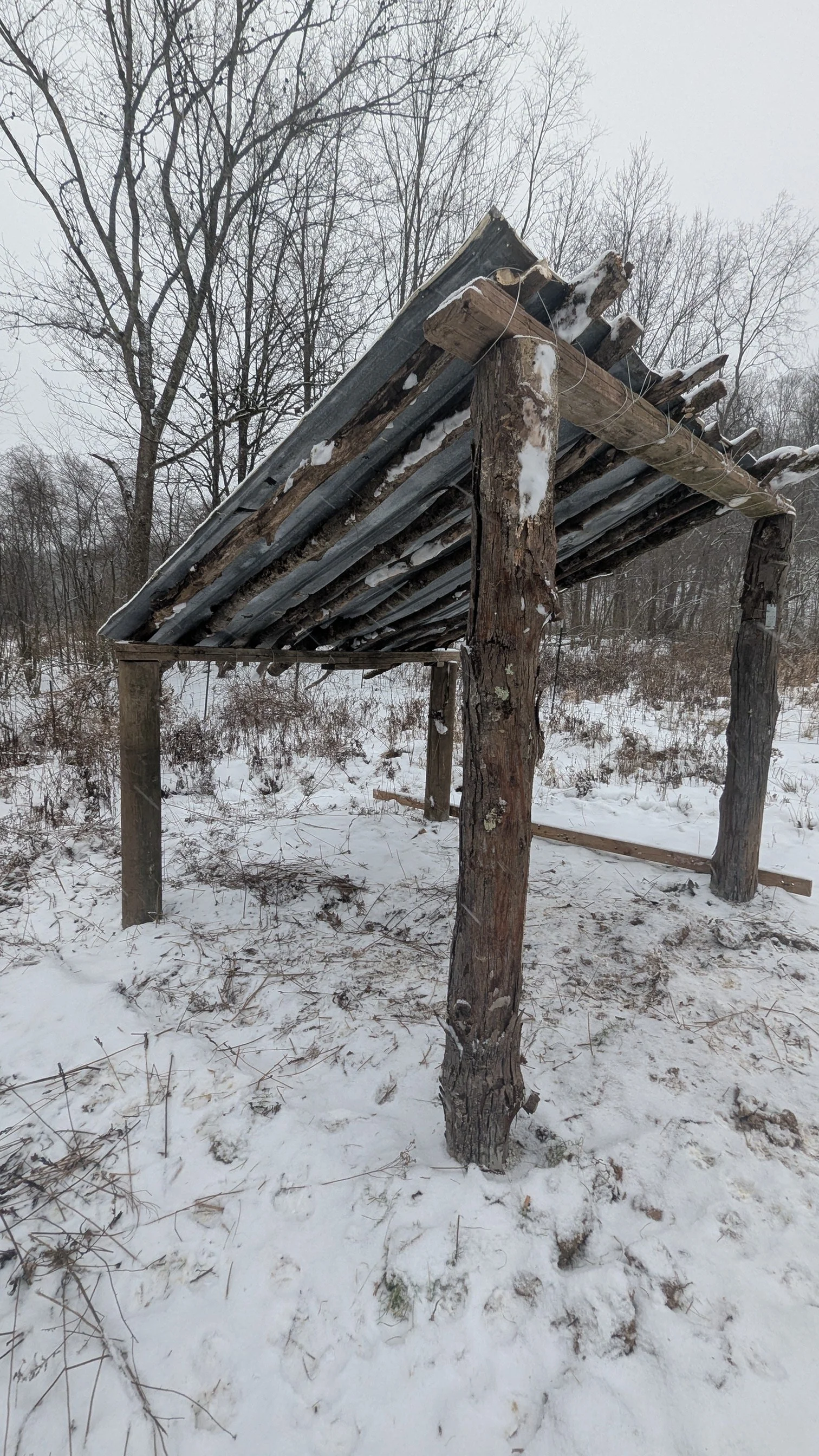
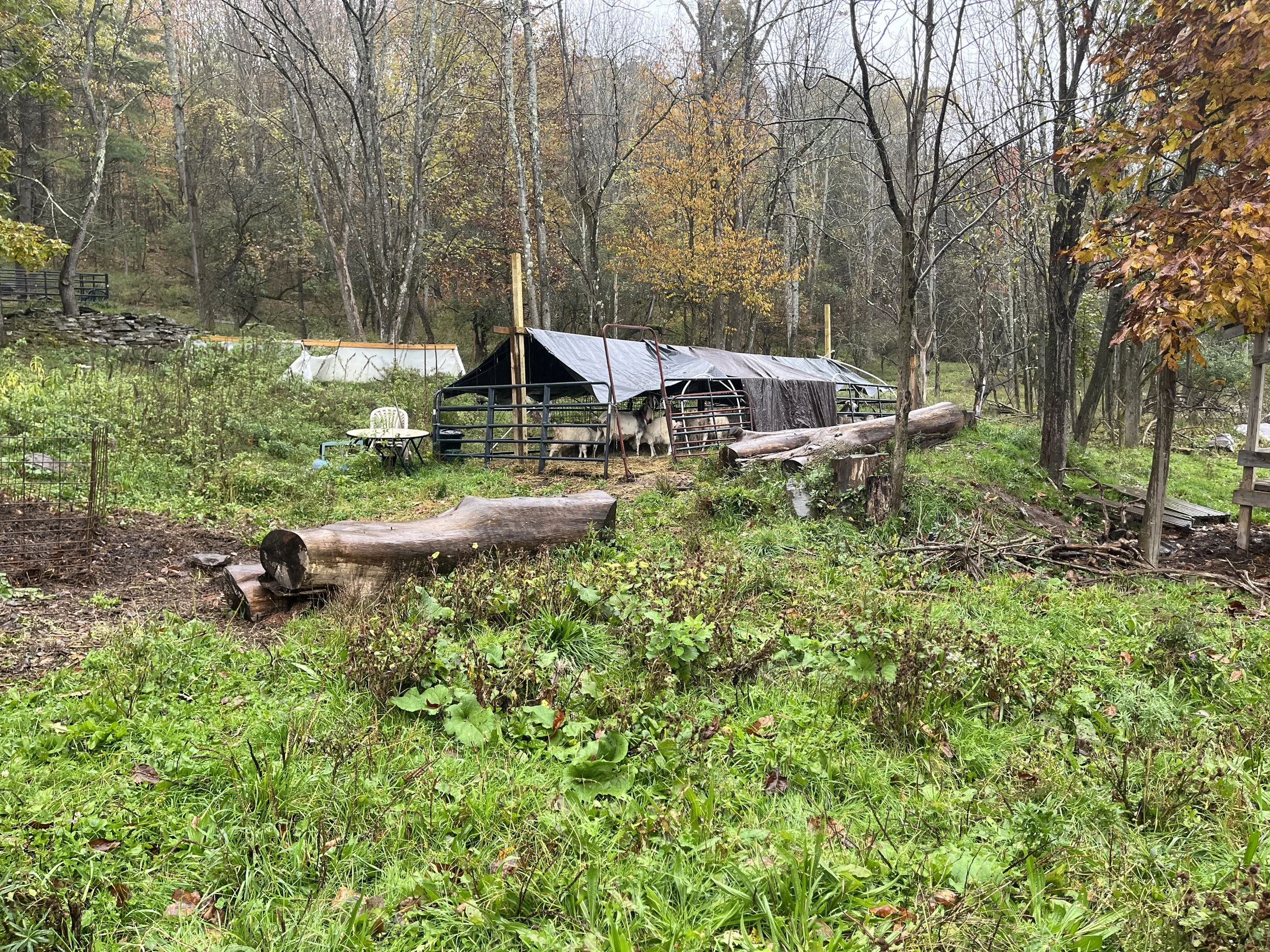
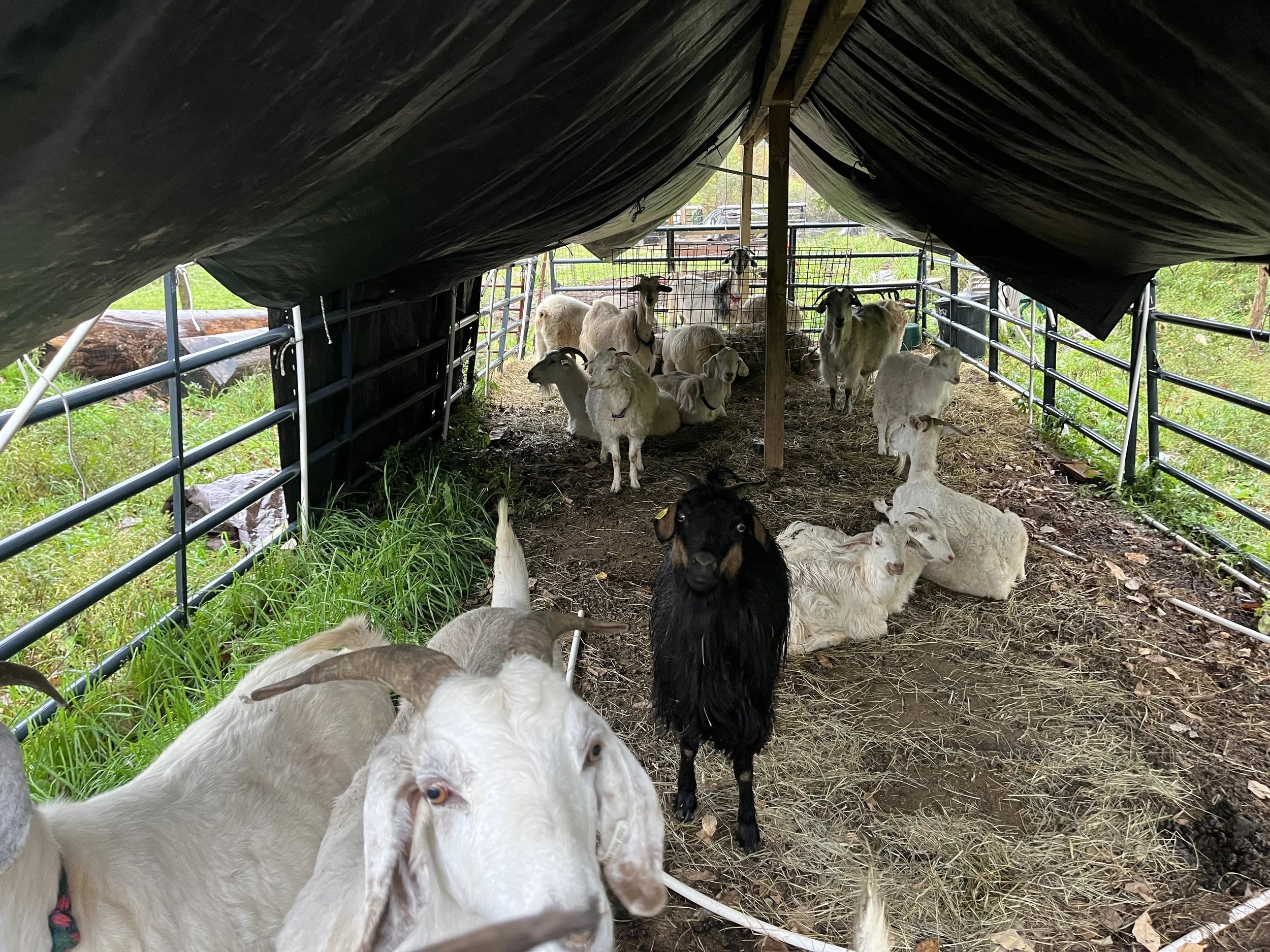
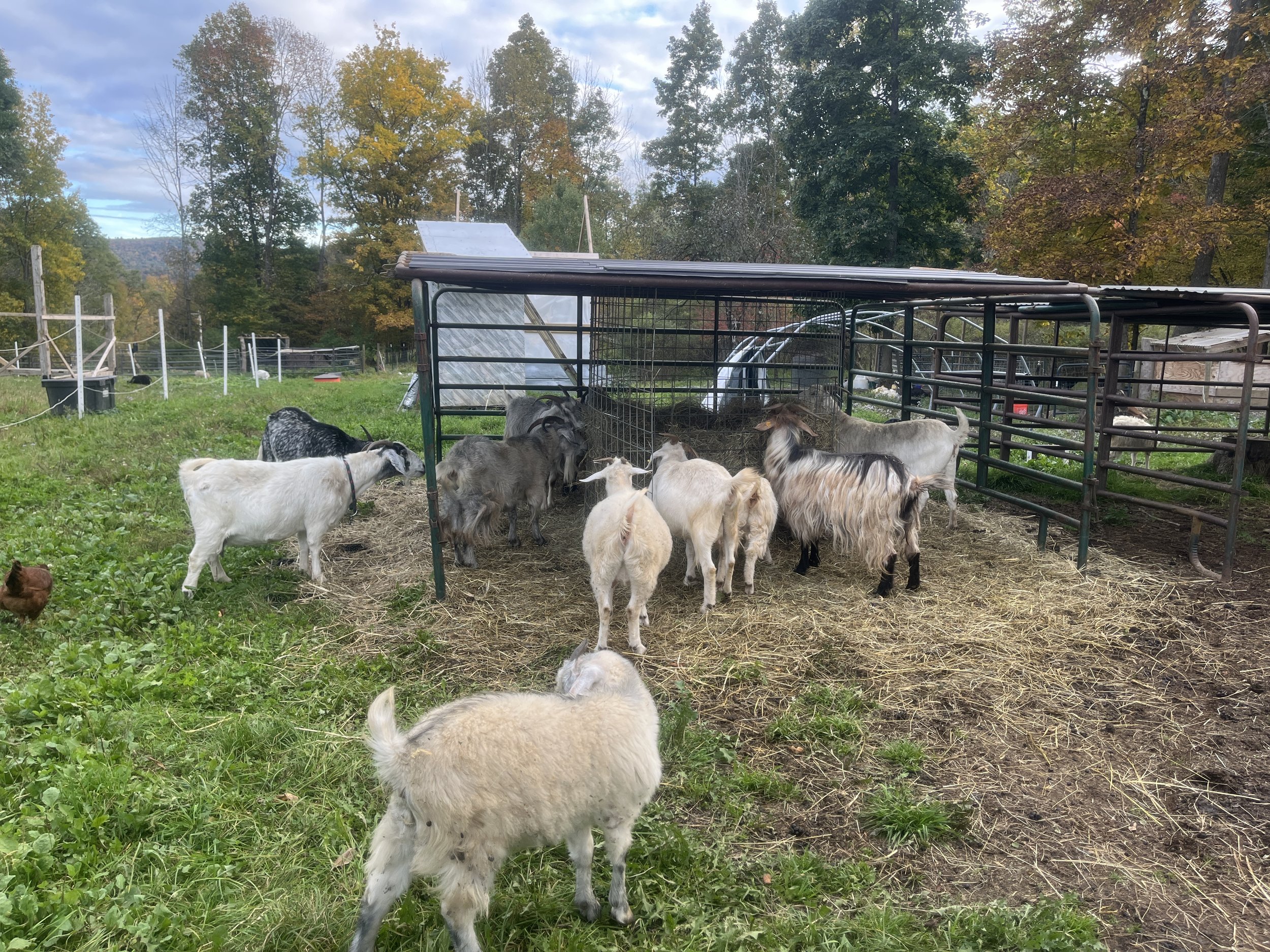
We started to use wood that was available to us on our property as well as scavenging for used building materials on Facebook Marketplace and auctions. Note, we didn’t have a sawmill either so we used the wood almost as-is.
Some would look at these makeshift fencing and camps and say it’s a waste of time and energy to build something that isn’t going to last years. However, when pulling yourself up a ladder by your own bootstraps, you’re only thinking about getting to the next rung of the ladder. We took things one season at a time. If a mostly free or low cost structure could get us through to next year, then it was worth it.
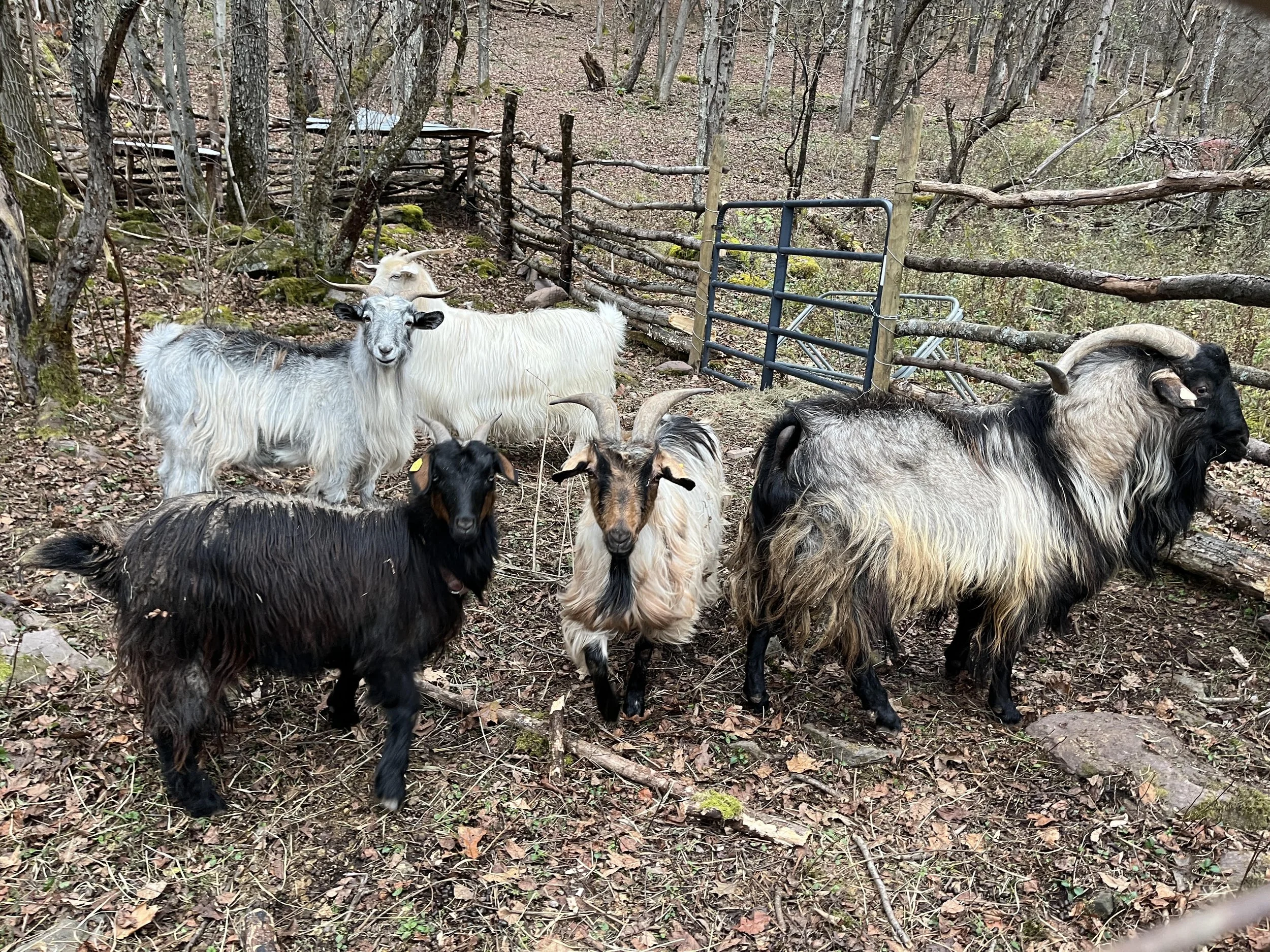
This paddock made from raw wood held a buck and a group of does through an entire breeding season. It was a lot of work to put together but other than the gate and a couple of fence posts, it was free.
The Cons: Harvest time is Uncomfortable
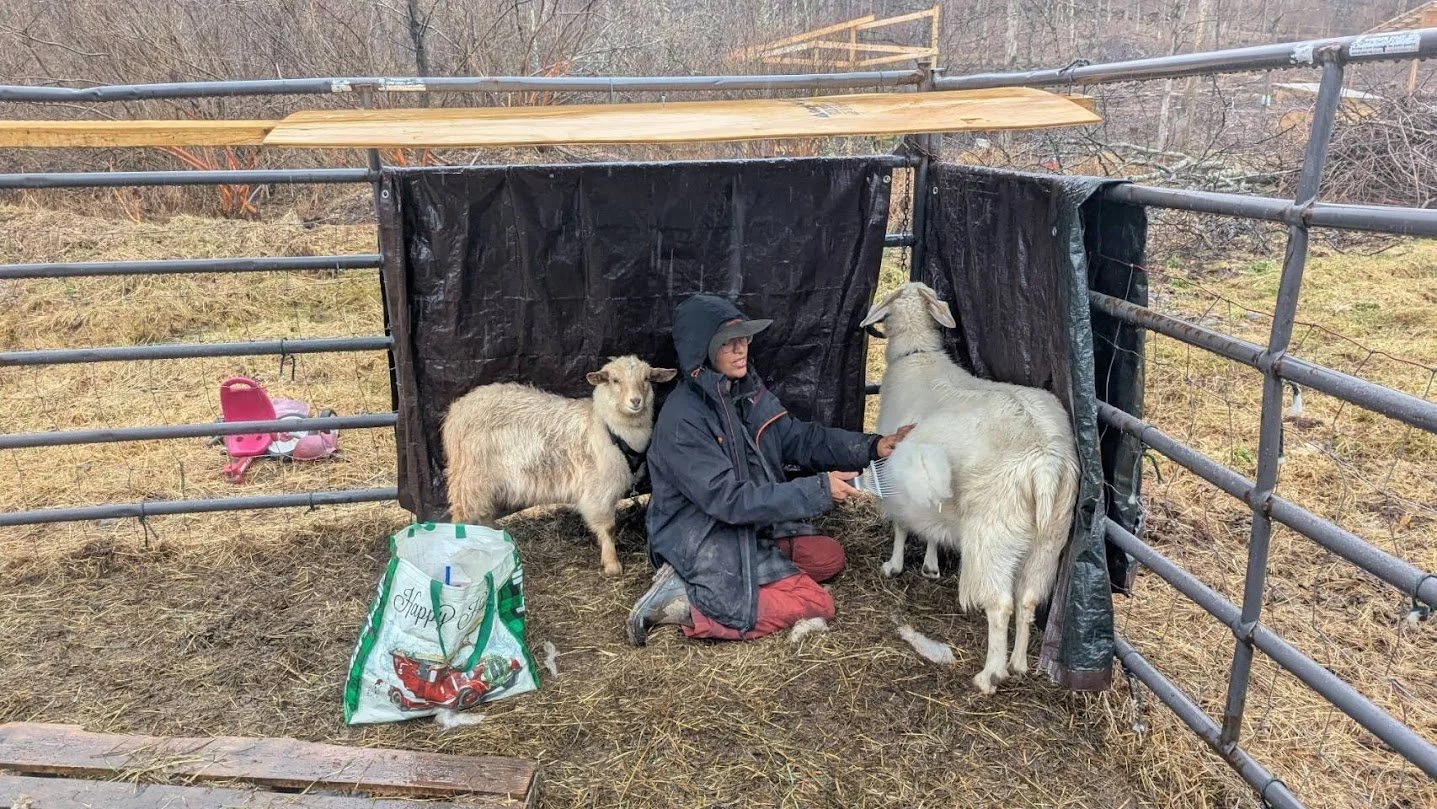
Me, crouched under a small plywood ceiling, hiding from the cold rain with my goat Teddy, while trying to comb the cashmere off another goat. It was very uncomfortable.
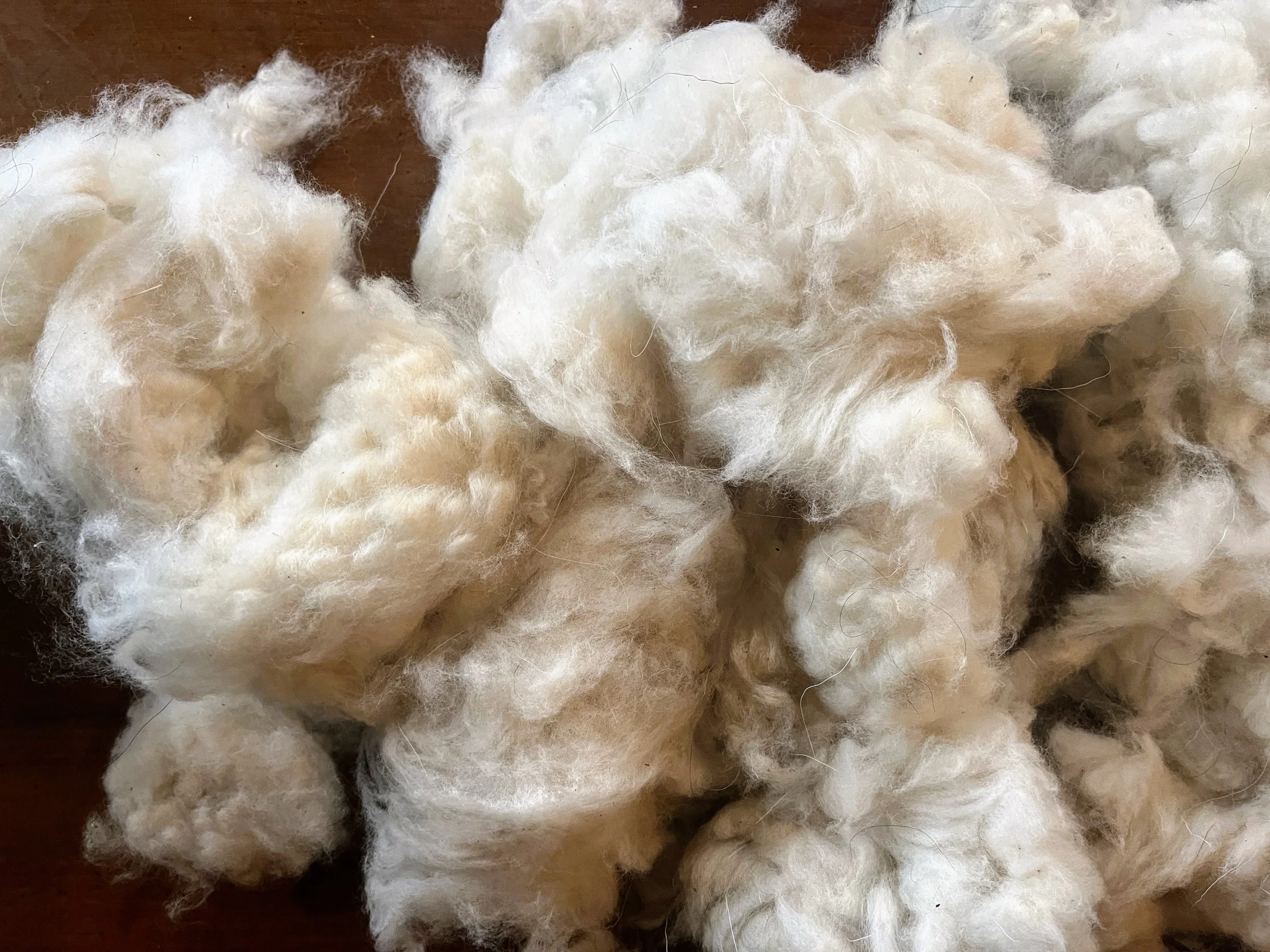
Wether it be cashmere or milk, more often than not, we were at the mercy of mother nature. For cashmere in particular, there was no good place for us to keep warm and dry while we combed goats. Some might not know but it’s not possible to comb cashmere off a goat that’s soaking wet. This meant that heavy rain periods would delay our cashmere harvest. We would also be caught in the freezing rain along with the goats. We tried to get around this by keeping goats under cover as much as possible (like in the picture above) but it was still quite the ordeal.
Milking was another hard situation. We sometimes get asked about goat milk and if we sell it for consumption. The answer is we don’t. It’s not that the milk is bad it’s just we don’t have a facility to keep equipment clean or properly restrain goats and milk into a clean pail. Everything we do is always out in the open.
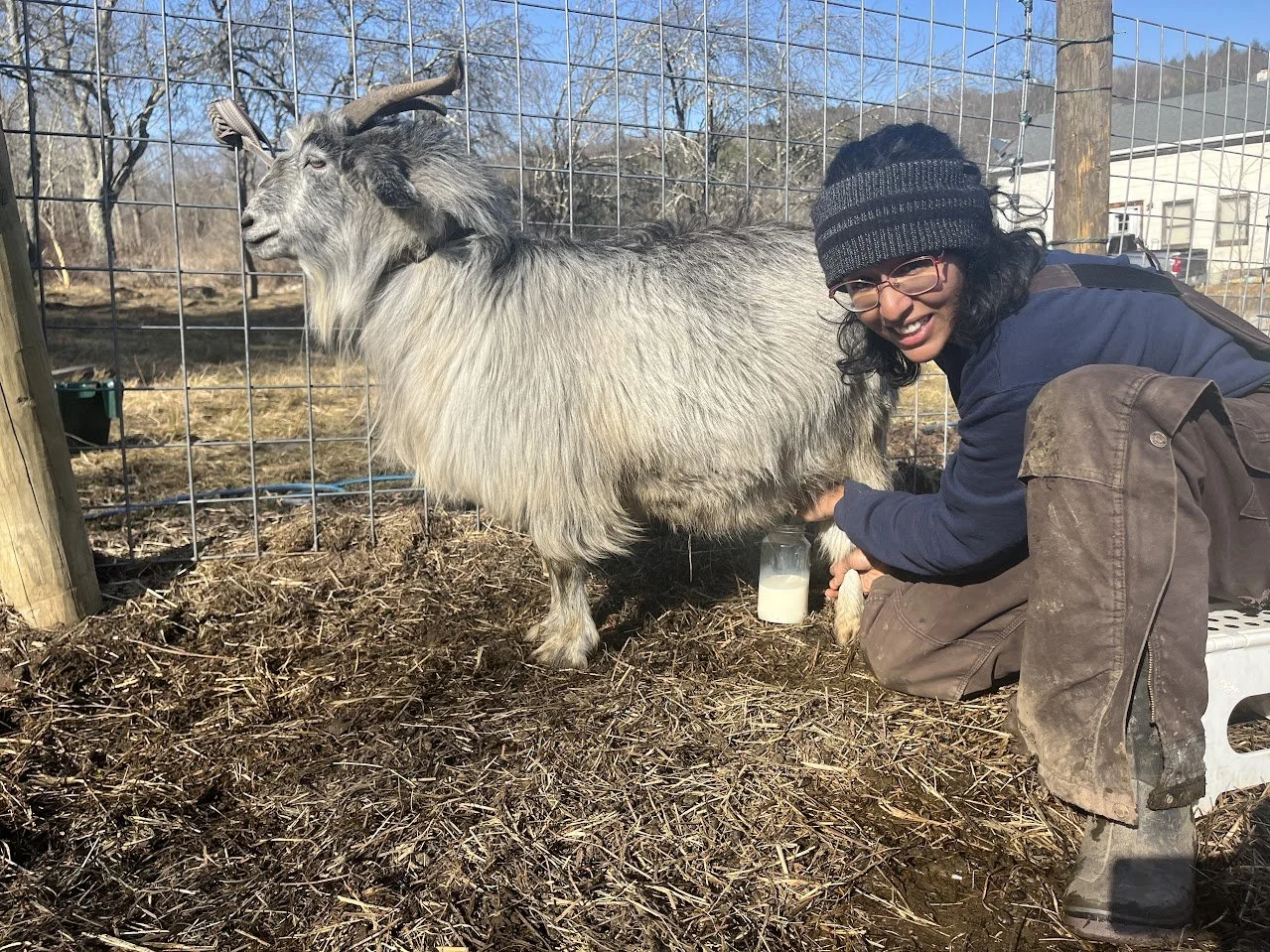
Things didn’t always go as planned. The goats eventually figured out how far the fencing went and how to get around it.
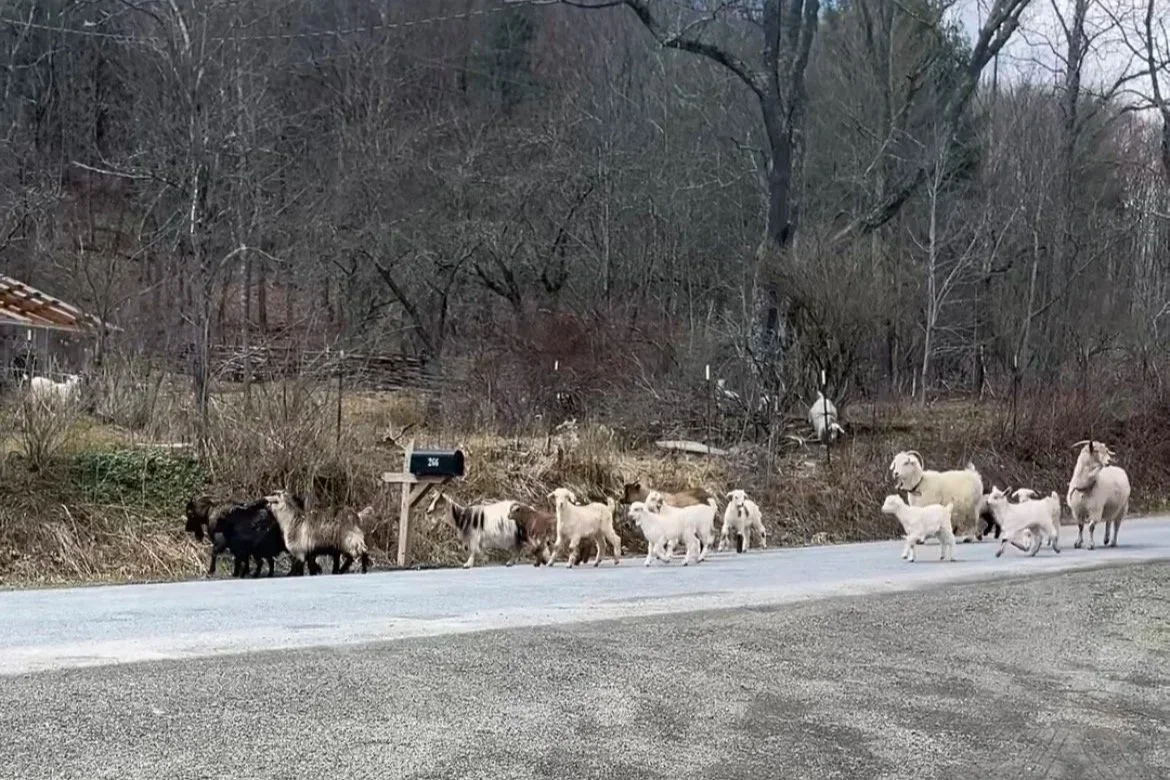
Goats are not supposed to be on the road like this.
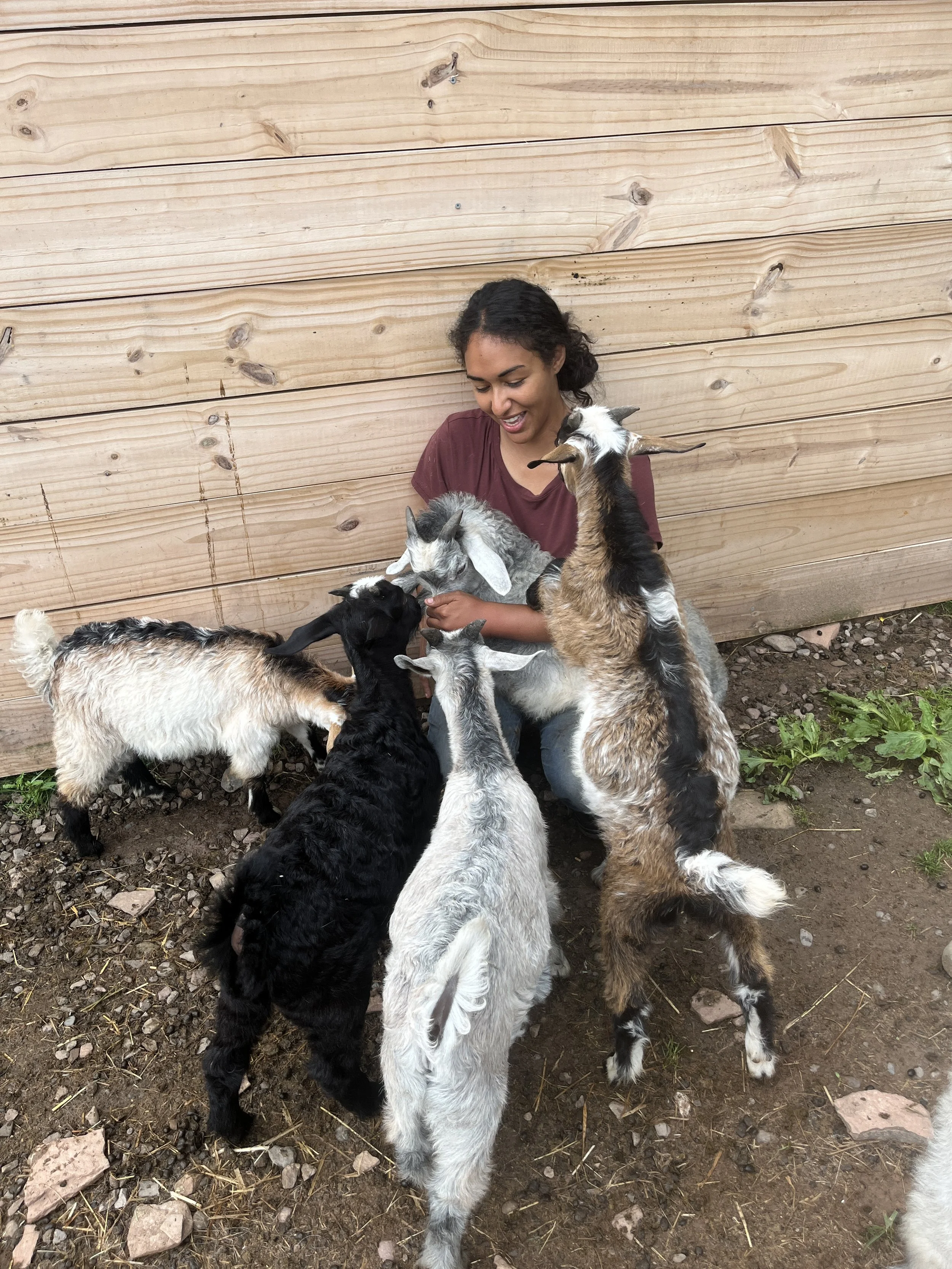
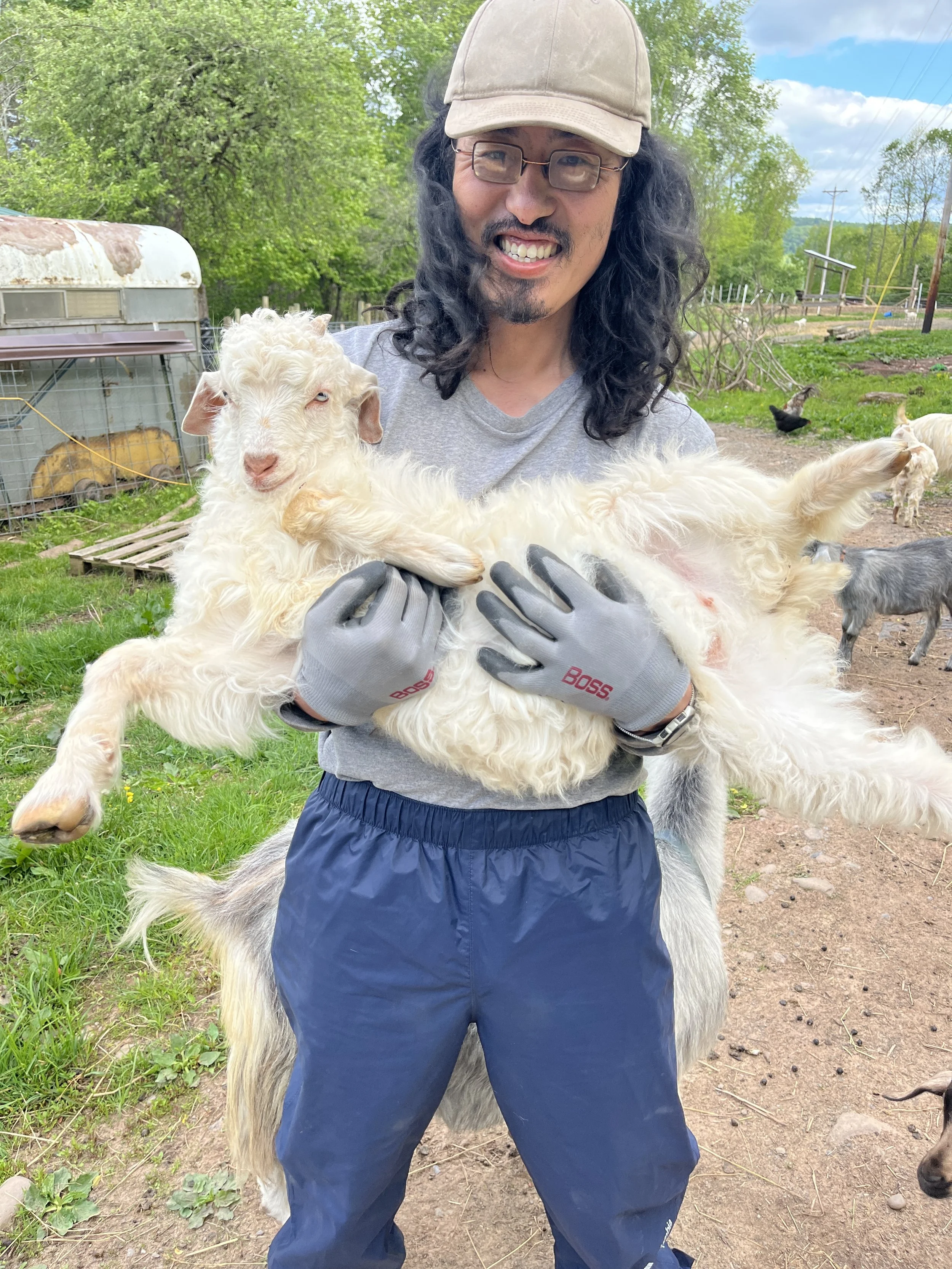
After all this struggle due to lack of infrastructure one would think we’d take a step back and rethink our approach. Again, that’s the sensible thing to do. Unfortunately, our crazy way kind of worked. We were able to produce breeding stock, meat animals, gorgeous cashmere, and some milk lotions fairly quickly. We made some money to invest back into the farm (and more goats!). And though in some ways we’re doing things backwards, the plan bore fruit. Within 4 years, our herd grew from 1 to 100.
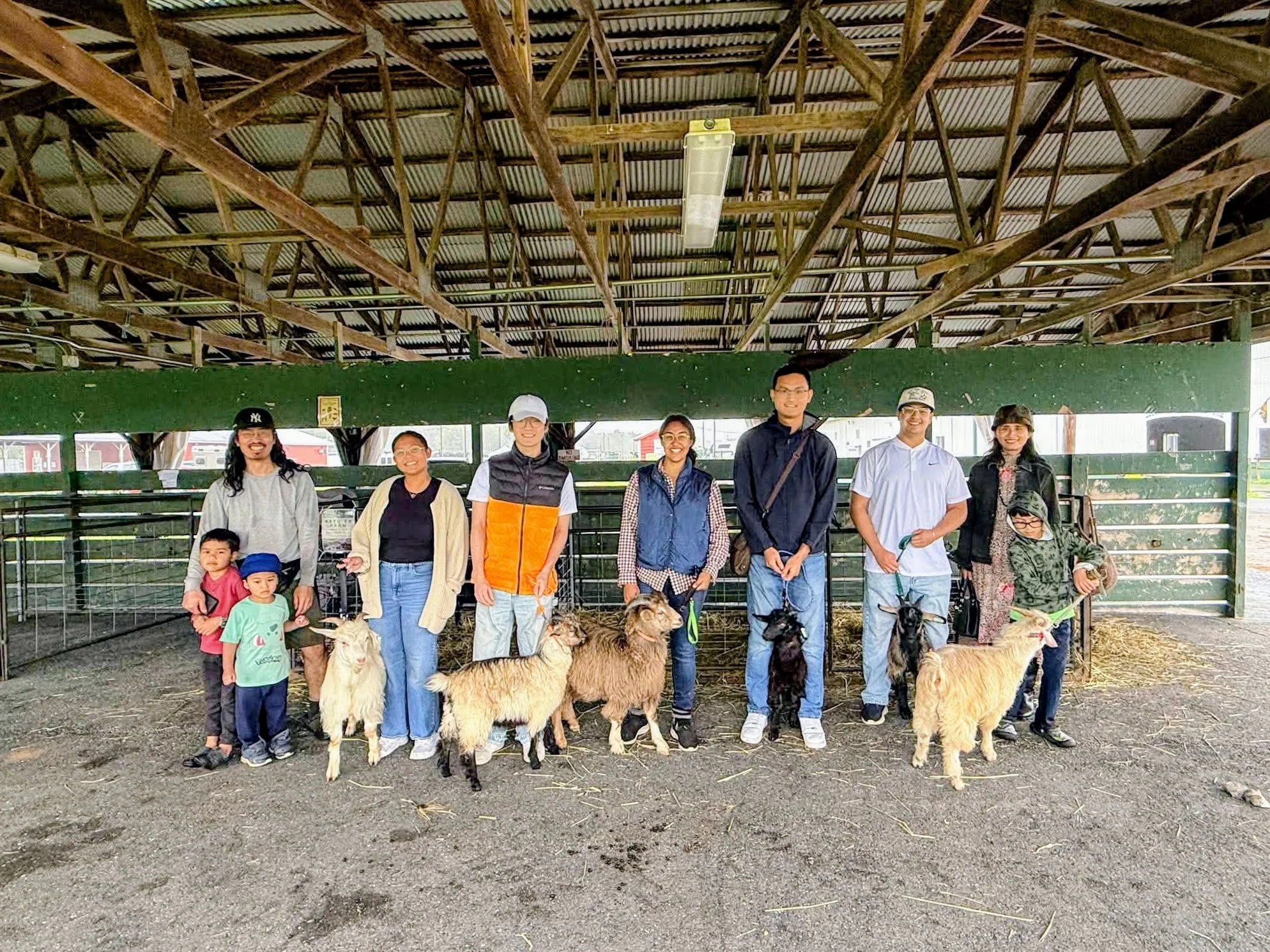
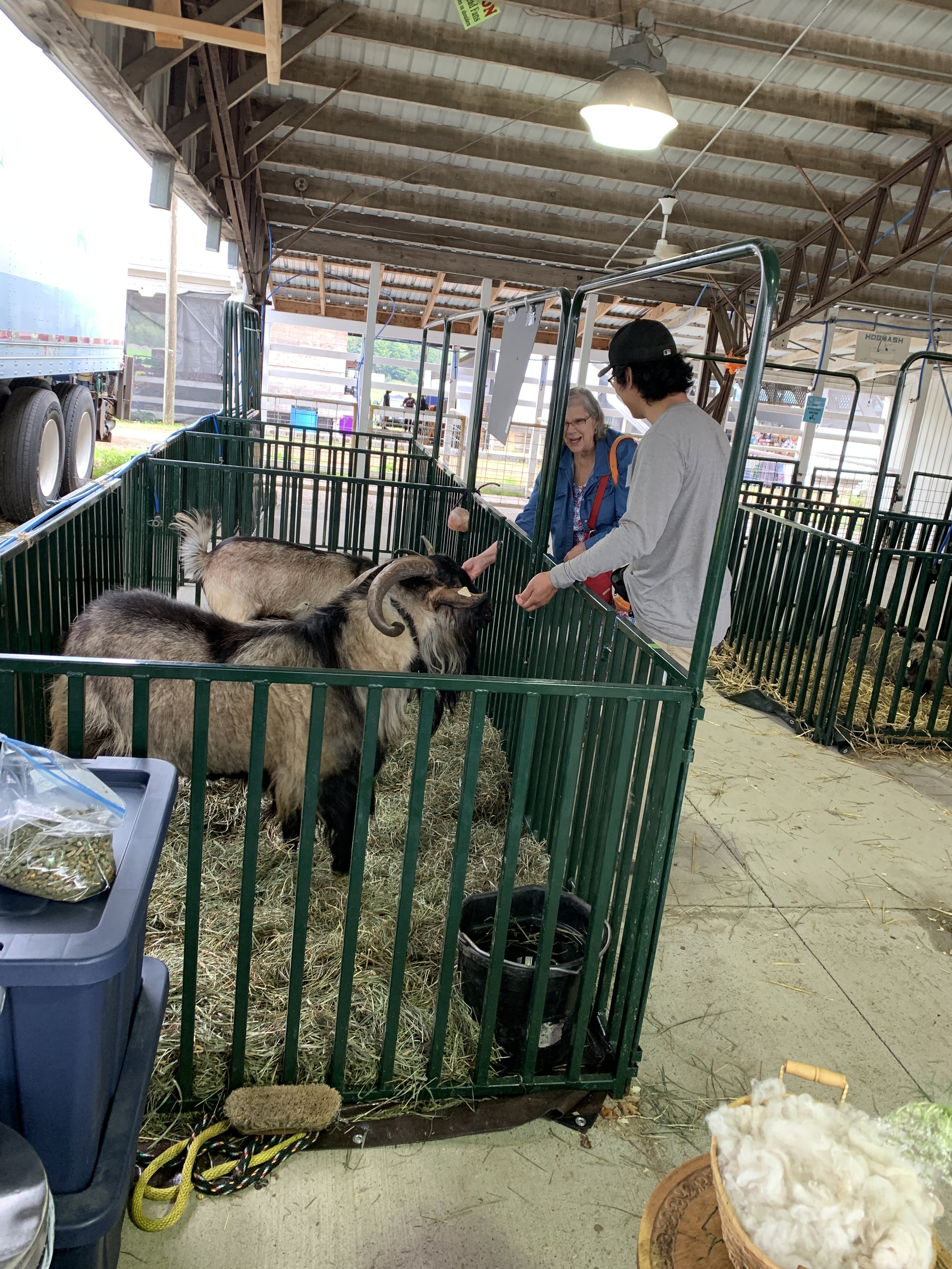
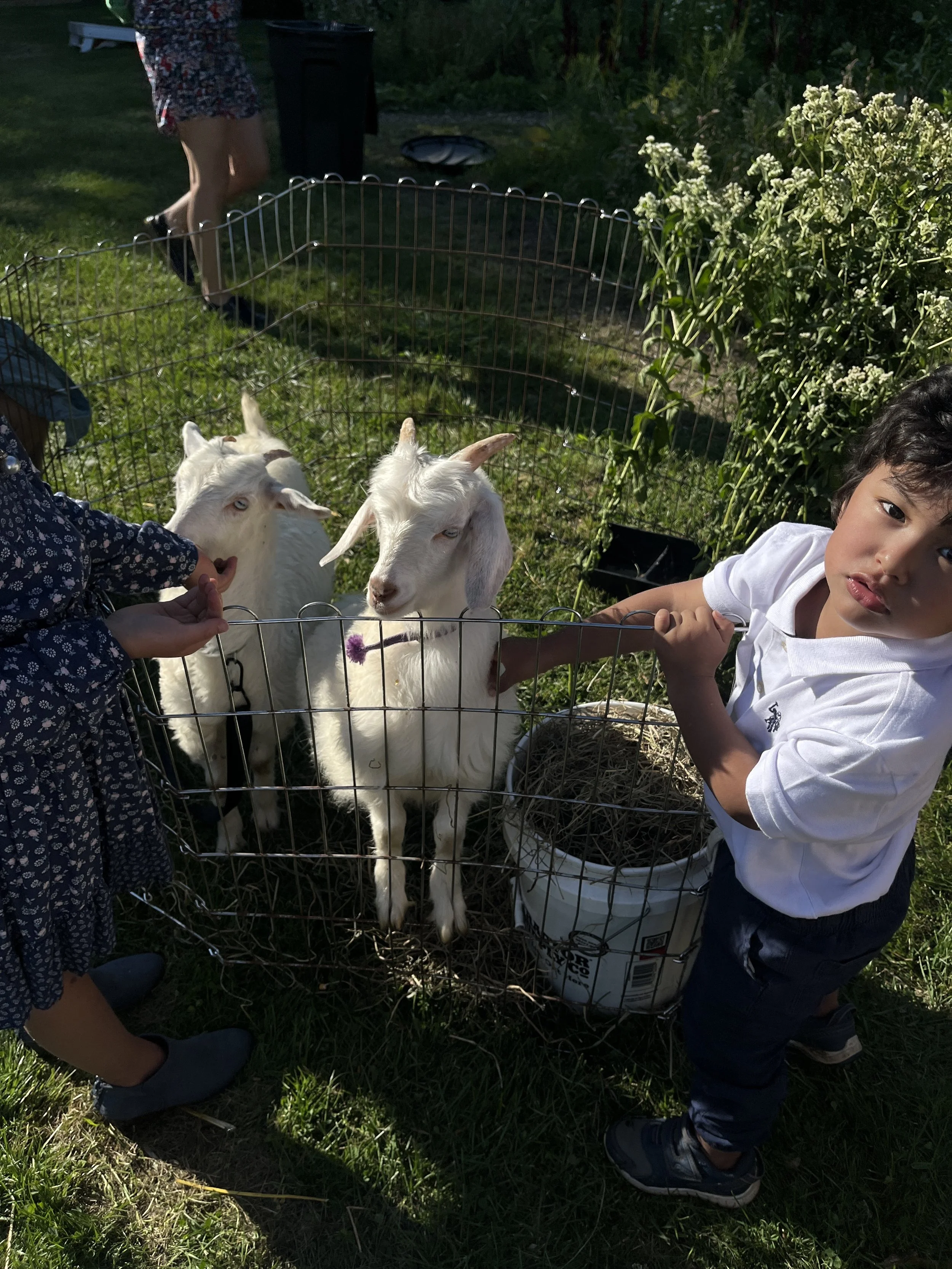
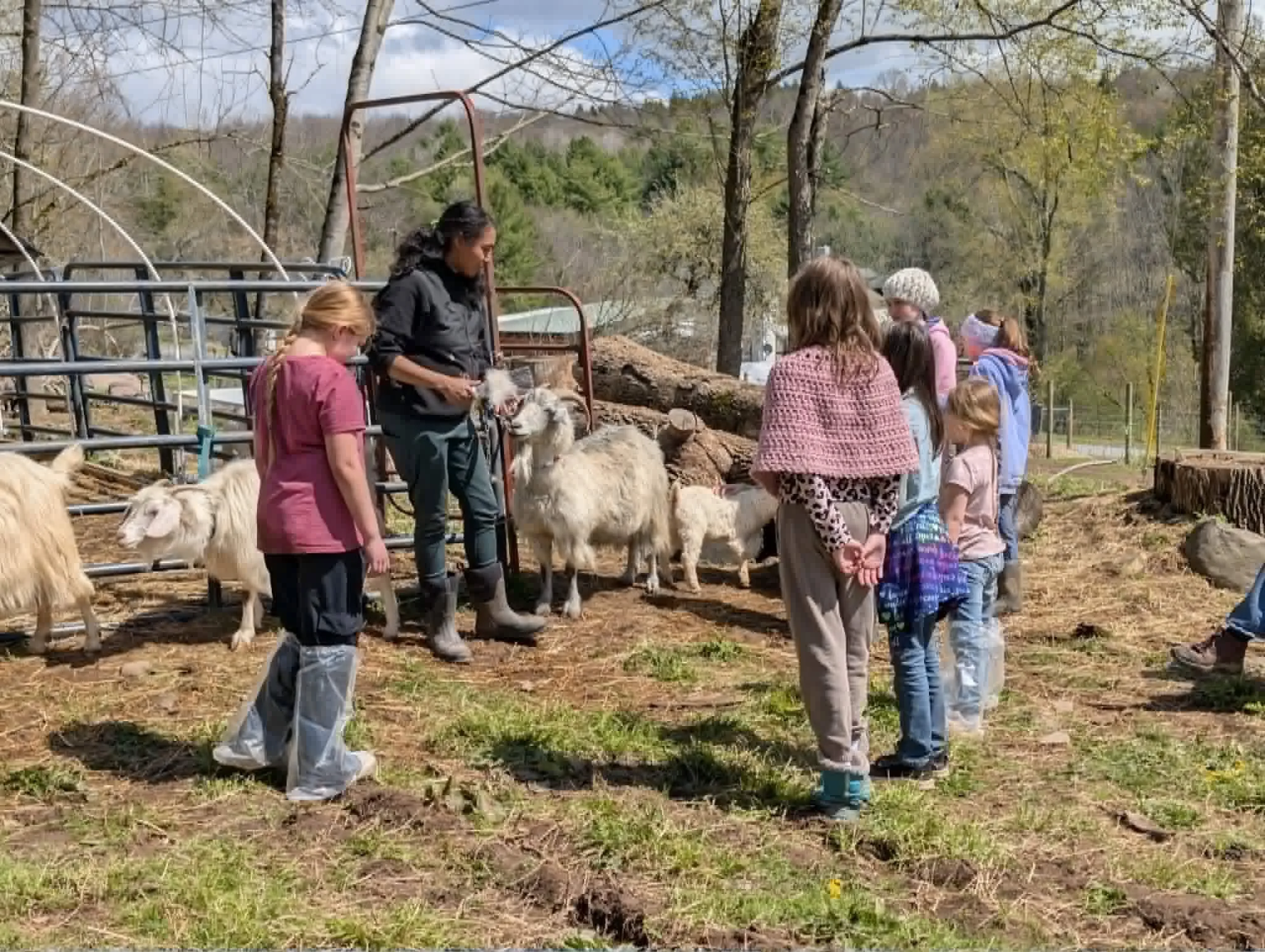
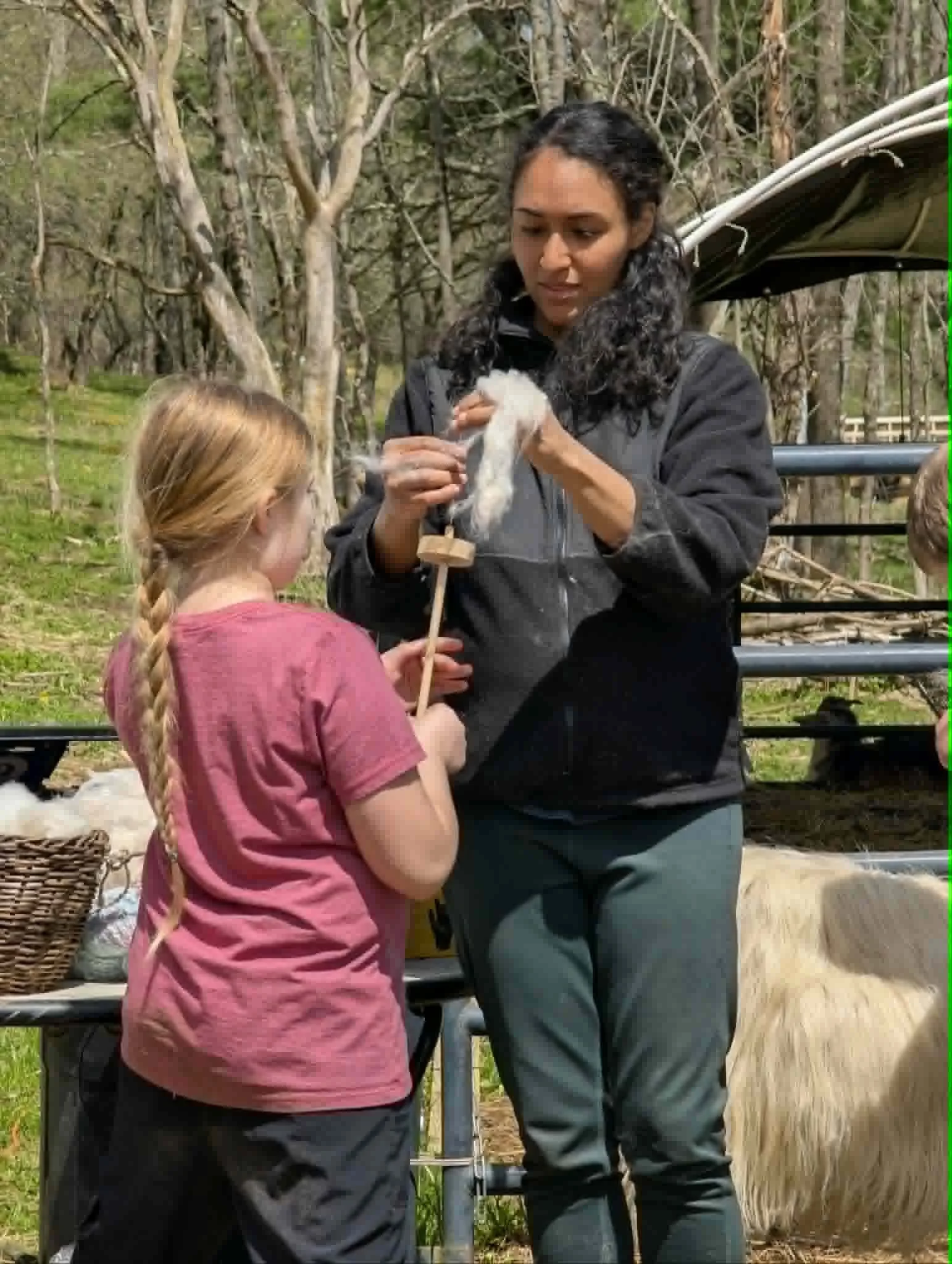
We sold a lot of baby goats, meat goats, and cashmere. We hosted farm tours, participated in events, and met many amazing people in the goat world. Most importantly, we grew as a family around this farm and learned to love and sacrifice for this lifestyle. We’re still growing and learning every day. Our goal is to reach 250 breeding does in the next 3-4 years. By then I expect our farm will look different as we upgrade our facilities. After doing this goat farming thing the hard way, I look forward to finding an easier way.